

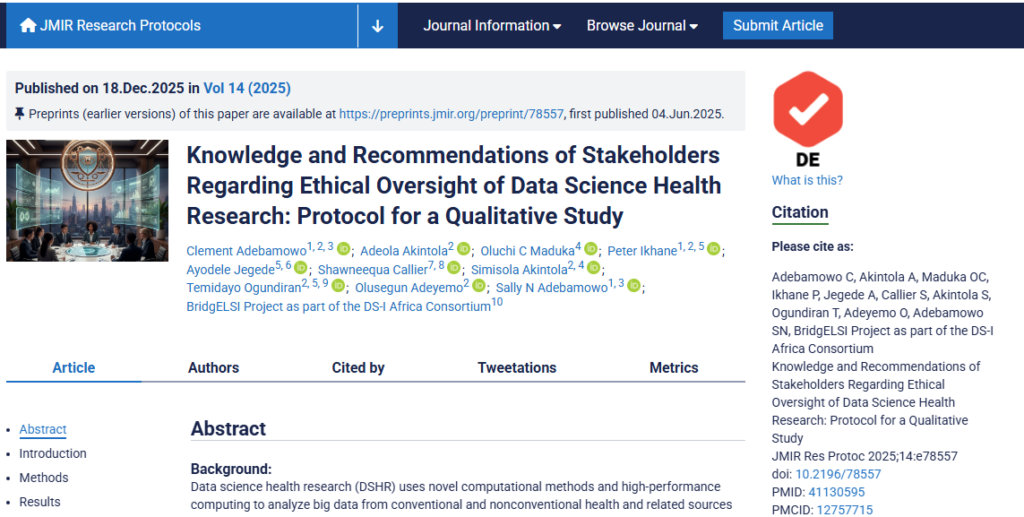
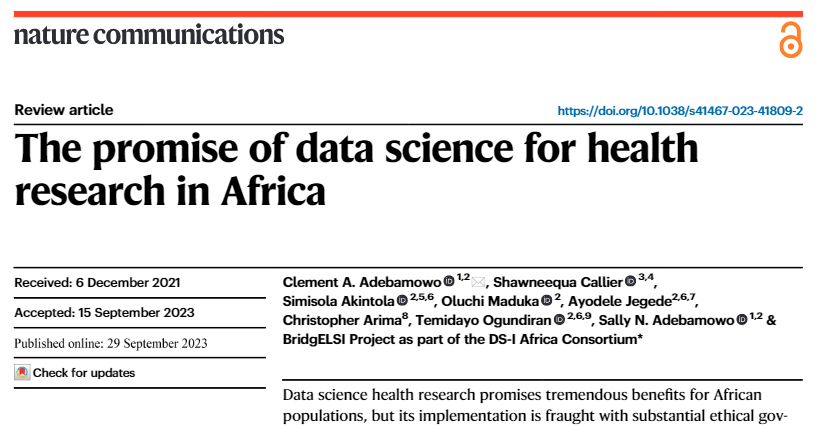

The BridgELSI research group is examining how ethics can be systematically integrated into biomedical and data-driven/AI health research rather than treated as an external add-on. The project focuses on identifying, analyzing, and comparing different models of embedding ethics across the lifecycle of biomedical and data science health research, including design, data generation, analysis, and dissemination.
The project aims to map existing approaches to embedded ethics and to clarify how they function in practice in biomedical and data science settings. It also seeks to generate practical guidance on how interdisciplinary teams can structure ethics engagement so that ethical, legal, and social considerations shape day-to-day research decisions, not just protocol review or compliance activities.
A core component is a structured literature review of embedded ethics, ELSI, and related models such as ethics parallel research, responsible research and innovation, and social lab approaches in biomedicine and AI-enabled health research. Th work intends to analyze how different models define the role of ethicists, how they position ethics within research governance, and what methods (for example, stakeholder analysis, focus groups, ethnography, deliberative workshops) are used to integrate ethics in real time. The work intends to also investigate what ethics expertise are relevant in these scenarios.
Complementing the conceptual work, the project includes empirical studies with scientists, ethicists, and other stakeholders involved in biomedical and data science health research. Using methods such as interviews, focus groups, and observational or ethnographic approaches, the team is exploring how embedded ethics is actually organized within projects, what enables or constrains it, and how it affects scientific practice, governance, and perceptions of responsibility.
The project is expected to generate a typology of embedded ethics models, illustrative case studies, and practical tools (for example, methodological “toolboxes” or governance templates) to support teams that want to embed ethics in their own biomedical and data science projects. By clarifying and comparing these models, BridgELSI aims to strengthen research ethics capacity and contribute to more responsive and context-sensitive governance of emerging biomedical and data-intensive health research.
©2026 Center for Bioethics and Research | All rights reserved